
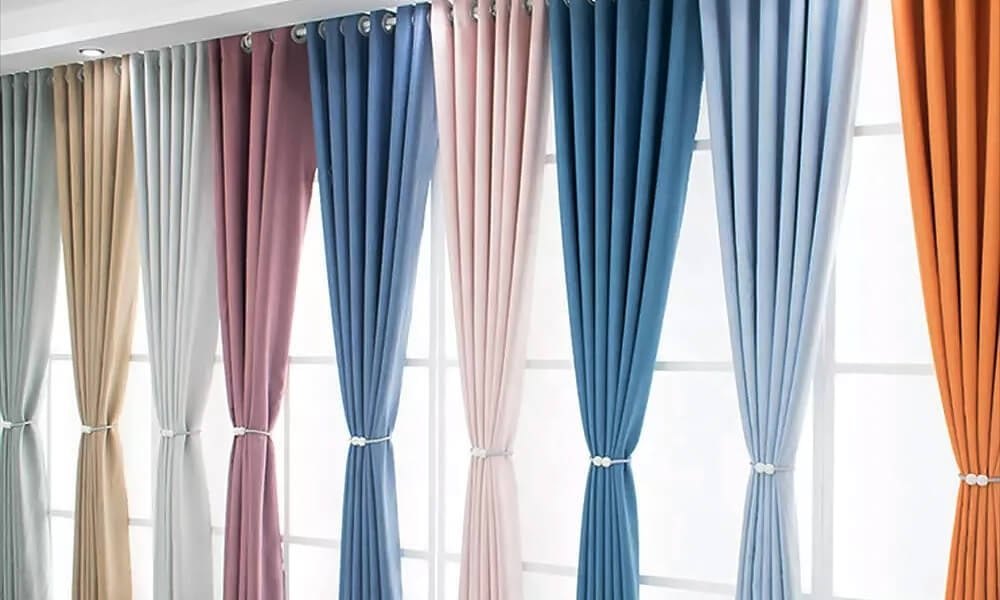

Home design isn’t just about aesthetics—it’s about feeling. The spaces we spend time in influence how we think, rest, and connect. Curtain design, though often overlooked, plays a powerful role in a room’s emotional language. The fabric’s texture, the color palette, and even the length of the drapes can alter how we perceive comfort, energy, and relaxation at home.
Understanding the psychology of curtains helps homeowners and decorators design with intention—turning a window treatment into a form of emotional architecture.
Why Curtains Influence Mood
Curtains aren’t just functional décor; they serve as visual anchors. Because windows frame natural light—the strongest environmental cue our brains respond to—what you place around them impacts how that light shapes the energy of your space.
Our brains associate open windows and daylight with alertness and motivation. When you soften that light with curtains, you control brightness and tone, subtly guiding emotional response. Heavy, textured fabrics can encourage feelings of coziness and safety, while light, sheer curtains evoke openness and rejuvenation.
Just as scents and sounds influence emotion, so do visual cues. Color, texture, and motion affect our perceptions and moods more than we realize, often on a subconscious level.
The Emotional Impact of Curtain Fabrics
Fabric texture is the first tactile and visual element that defines a curtain’s emotional tone.
- Velvet or chenille fabrics convey warmth and luxury, ideal for creating intimate, cocoon-like living rooms or bedrooms.
- Linen and cotton blends invite calm and casual energy—perfect for bright, breezy homes that celebrate simplicity.
- Sheer or organza fabrics diffuse light softly, creating a sense of space and serenity.
- Heavier drapes create an enclosure and quiet, making the environment feel secure and grounded.
The texture you choose determines whether your room feels soft and restful or bold and formal. As interior psychologists note, fabric density affects acoustics too—thicker curtains muffle sound, enhancing peacefulness and concentration.
Curtain Length and Emotional Space
Length speaks to how a room feels in scale and personality. Floor-to-ceiling drapes make spaces appear taller and more elegant, evoking a sense of sophistication and drama. Shorter curtains feel casual, relaxed, and functional—often better for kitchens, playrooms, and smaller spaces where approachability matters more than grandeur.
From a psychological standpoint, longer curtains emphasize continuity and flow. They draw the eye upward, helping the brain perceive expansiveness rather than confinement. That visual openness can lower stress and promote calm, especially in bedrooms and living spaces that benefit from a soothing visual environment.
The Power of Color Psychology in Curtains
Color is one of the most potent influencers of mood. Understanding its psychology helps you align the curtain design with the feelings you want each room to evoke:
- Blues and greens calm the mind and encourage relaxation, making them ideal for bedrooms and reading nooks.
- Warm tones like terracotta, rust, and gold promote comfort and energy, warming up large or minimally decorated spaces.
- Neutrals such as cream, sand, or taupe support balance and timelessness, letting other décor pieces take center stage.
- Dark shades can make a room feel intimate and secure, while lighter tones amplify brightness and positivity.
For anyone seeking cozy curtains for bedrooms, think about balance such as soft, muted hues can provide the perfect emotional backdrop for winding down each night.
Matching Curtains with Emotional Intent
One of the most creative parts of interior design is matching curtain style with the emotional purpose of each room.
- Living room: Choose light-filtering fabrics in cheerful tones that encourage togetherness and conversation.
- Bedroom: Opt for blackout or layered curtains to promote relaxation and better sleep quality.
- Home office: Natural materials in neutral shades can sharpen focus while maintaining calm.
- Dining space: Warm, rich colors stimulate appetite and social interaction.
This kind of design mindfulness ensures that your curtains not only look good but also work harmoniously with your body’s natural rhythms and emotional needs.
Layering for Comfort and Depth
Layering curtains adds both visual depth and emotional richness. Combining a sheer inner layer with a heavier outer drape allows for flexible light control and texture variation. It also evokes a sense of sophistication and balance, allowing you to shift the room’s energy throughout the day.
Morning light filtered through soft fabric signals vitality; drawn drapes at night foster a grounded sense of retreat. In this rhythm, curtains act not just as design pieces but as emotional timekeepers for your home.
Designing Harmony Through Material Choices
A well-coordinated room relies on harmony between fabrics, textures, and tones. Curtains often set the tone for the rest of the space’s tactile palette. To cultivate emotional comfort, pair them with soft bedding and layered materials that echo the same sensory warmth. In bedrooms, pairing complementary fabrics, like these earth-tone bedding sets, with textured drapery creates visual calm and emotional equilibrium.
By aligning tactile and visual consistency, you create a holistic environment—one that speaks to your psychological well-being as much as your design sensibility.
Curtains can change more than how a window looks—they transform how a home feels. Every swath of fabric, every color choice, and every fold has emotional weight. By understanding fabric psychology, light, and personal intention, you can design spaces that restore, inspire, and comfort.
The next time you choose curtains, think beyond the window. You’re not just decorating—you’re shaping emotion, reinforcing peace, and crafting the hidden rhythm that defines how your home feels every day.