
A malfunctioning industrial door doesn’t just cause inconvenience; it can bring operations to a grinding halt. In warehouses, factories, and commercial buildings, the reliability of overhead doors, rolling grilles, and dock equipment is crucial. While complete replacements are sometimes inevitable, a combination of smart maintenance and targeted quick fixes can dramatically extend the life of your industrial doors, and save thousands in the process.
Routine Maintenance vs. Emergency Repairs
Ignoring small issues with industrial doors can lead to sudden breakdowns that disrupt business and require urgent intervention. Scheduled preventive inspections, performed by professionals, help catch worn springs, misaligned tracks, and failing sensors before they escalate. These visits not only prevent emergencies but also ensure that your doors operate smoothly and safely.
When regular maintenance is skipped, the risks mount quickly. Unexpected breakdowns can leave your inventory vulnerable or halt deliveries. Emergency repairs, often necessary outside of business hours, come at a premium. The outlay for one sudden repair can often surpass the cost of months’ worth of scheduled maintenance.
But not every problem waits for an appointment. If a door won’t close at the end of the day or a spring snaps unexpectedly, same-day emergency service becomes essential. Reliable providers prioritize fast, safe repairs to minimize downtime, handling only what is truly broken so you don’t pay for unnecessary work.
DIY Quick Fixes vs. Professional Repairs
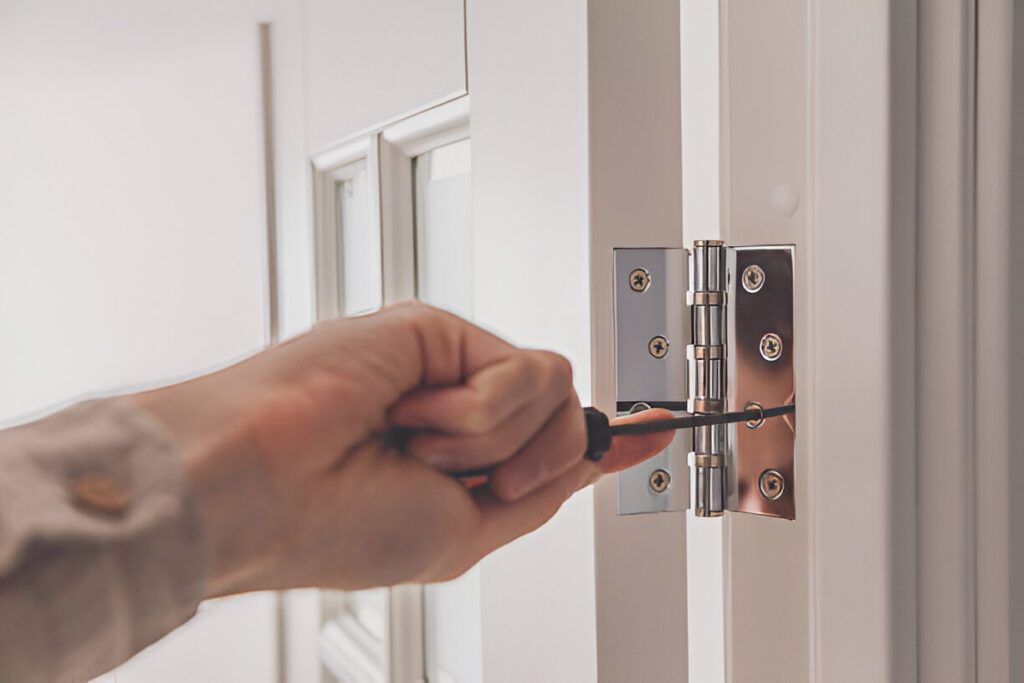
For the hands-on facility manager, a few basic troubleshooting steps can sometimes keep things running until help arrives. Checking for simple obstructions in the tracks, tightening loose hardware, or resetting the opener can resolve minor glitches. A can of lubricant on squeaky hinges or a visual inspection for frayed cables might spare you from bigger headaches down the road.
However, not all fixes are safe to tackle yourself. Industrial doors are heavy, complex, and under high tension. DIY attempts at spring replacements, electrical repairs, or alignment adjustments can be dangerous and often void warranties. Licensed technicians bring specialized tools and training, backed by insurance that protects your business in case something goes wrong.
Investing in professional help doesn’t just buy peace of mind, it extends your door’s lifespan and keeps people safe. For example, services like Door Doctor industrial door repair employ fully trained technicians who are familiar with all brands and models, ensuring the right fix for every situation.
Comparing Repair Techniques for Common Door Issues
The best solution for a faulty door depends not just on the problem but also on your facility’s needs and budget. Take broken springs: Flat rate spring changes are predictable and fast, while custom spring adjustments can be tailored to unique door weights and cycles but tend to cost more.
When it comes to rolling steel doors, patchwork repairs might temporarily cover dents or rust, but repeated issues often signal the need for full replacement. Opener malfunctions, meanwhile, could be as simple as a reset or as complicated as swapping out entire control boards and sensors.
Impact of Door Types on Repair Strategies
Not all doors wear out the same way. Rolling steel doors often develop issues with their slats and guides, while high-speed doors rely on precise electronics that can be sensitive to power surges. Loading dock equipment is exposed to heavy impacts and frequent use, demanding regular checks on seals, levelers, and bumpers. Pedestrian doors see different patterns of wear, mostly around hinges and locks.
Security grilles and gates need specialized attention; their locking mechanisms and motorized tracks require regular cleaning and careful calibration to avoid jamming. The type of door defines not just what breaks, but how you should repair and maintain it.
Cost-Effectiveness of Preventive Inspections vs. Reactive Repairs
Paying for regular inspections might seem costly upfront, but the numbers tell a different story over time. Early detection of a misaligned track or weakened spring can prevent catastrophic failure that would demand complete replacement. For instance, catching a worn cable before it snaps could save thousands in emergency labor and lost business.
Flat rate services offer transparency compared to hourly billing, letting you budget more accurately and avoid unpleasant surprises when the invoice arrives.
| Approach | Upfront Cost | Typical Repair Cost | Downtime Risk | Long-Term Savings |
|—————————|————–|———————|—————|——————|
| Scheduled Inspections | Moderate | Low | Low | High |
| Emergency Reactive Repair | None | High | High | Low |
| Flat Rate Services | Predictable | Predictable | Low | Medium-High |
| Hourly Billing | Unpredictable| Variable | Medium | Low-Medium |
Modern Technologies in Industrial Door Maintenance
Automated operators and modern safety sensors are now vital components. Not only do they reduce wear by optimizing openings and closings, but they also lower risk of injury. Advanced systems send alerts for maintenance needs, while remote monitoring tools let managers spot issues from anywhere, reducing the time between fault detection and repair.
Upgrades such as air curtains, dock seals, and advanced protective bumpers can further minimize wear from weather and frequent use.
Choosing the Right Service Provider: What Matters Most?
The expertise of your service provider often matters as much as the quality of your doors. Look for companies that are licensed, insured, and provide thorough technician training. Customer service makes a big difference, 24/7 emergency availability and quick response times can be the barrier between a minor inconvenience and a costly shutdown.
Reviewing customer testimonials and comparing brands helps you find those who consistently deliver on their promises, whether you’re scheduling routine inspections or facing an urgent repair.
Enhancing Door Longevity Through Proper Usage and Upgrades
Extending door life isn’t all about repairs; it starts with daily habits. Avoid forcing or obstructing doors, and make sure staff are trained to report issues early. Sometimes, the smartest move is to upgrade a worn component or even the entire door, especially when newer models offer greater durability or better safety features.
Taking environmental factors into account, such as adding protective enclosures for harsh weather or using impact-resistant doors in high-traffic areas, can shield your investment and keep your facility running smoothly.
A proactive approach, informed by smart maintenance and timely upgrades, is the real secret to getting the most from your industrial doors. With the right mix of quick fixes and expert support, breakdowns can become the exception rather than the rule.