
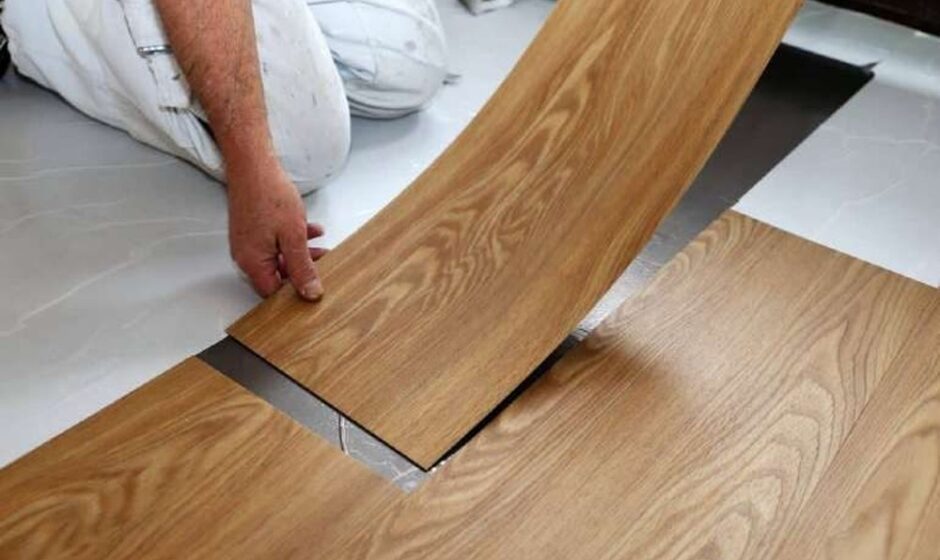

Vinyl flooring has long been praised for its resilience, but recent studies are challenging the old wisdom about what makes one option more durable than another. With more choices than ever, from traditional planks to advanced SPC (Stone Plastic Composite) varieties, homeowners and professionals alike are asking which vinyl flooring really holds up best under pressure.
What Types of Vinyl Flooring Are Most Commonly Used Today?
Vinyl floors are not a one-size-fits-all solution. Modern options fall into three main categories: planks, tiles, and SPC flooring. Each type has unique construction and application advantages that influence their performance under everyday wear.
Differences Between Vinyl Planks, Tiles, and SPC Flooring
Vinyl planks mimic the look of wood and are popular for their warmth and easy installation. Tiles often resemble stone or ceramic, offering versatility in patterns and finishes. SPC flooring, however, is the industry’s rising star. It features a rigid core made from limestone and stabilizers, making it stiffer, denser, and less prone to telegraphing subfloor imperfections.
Thickness and Construction: What Do These Numbers Mean?
When browsing options, you’ll notice thicknesses ranging from 4.2 mm up to 9 mm or more. Thicker floors typically mean more stability and comfort underfoot, but the real story of durability lies in the complete construction: wear layer, core, and backing. SPC variants, for example, are often available in 5.5 mm to 7 mm options, striking a balance between resilience and ease of installation.
How Do Recent Studies Define Vinyl Flooring Durability?
Researchers assess flooring durability through a battery of tests. The most telling metrics are wear resistance, scratch resistance, and impact resistance, all of which can be objectively measured in the lab.
Key Metrics: Wear Resistance, Scratch Resistance, and Impact Resistance
– Wear resistance measures how well the top layer stands up to abrasion from foot traffic and furniture.
– Scratch resistance is tested using objects like steel wool or sandpaper.
– Impact resistance evaluates how flooring fares when subjected to dropped weights or sudden shocks.
These categories are not just academic. In real homes and businesses, they predict how a floor will look after years of daily use.
Environmental Factors Affecting Longevity
Temperature fluctuations, moisture, and UV exposure can degrade even the toughest vinyl. Studies show that higher humidity or sunlit rooms accelerate wear, highlighting the need to choose a product suited to the specific environment.
Which Vinyl Flooring Options Show the Best Durability in Research?
Recent lab comparisons are clear: while all premium vinyl products perform better than their budget counterparts, SPC flooring consistently tops the charts, especially in areas with high foot traffic or moisture.
| Flooring Type | Average Wear Layer | Impact Resistance | Moisture Tolerance | Typical Thickness |
|——————–|——————-|——————|——————–|——————|
| Standard Vinyl Plank | 8-12 mil | Moderate | Moderate | 4-6 mm |
| Vinyl Tile | 8-20 mil | Good | Good | 4.2-6.5 mm |
| SPC Flooring | 12-20+ mil | Excellent | Excellent | 5.5-7 mm |
Performance of SPC Flooring Compared to Traditional Vinyl
SPC’s rigid core means less flex and more resistance to dents. Research regularly finds that Club Ceramic spc flooring outperforms most traditional planks in wear and impact tests, even when installed in busy commercial settings.
Durability Ratings for Popular Vinyl Planks and Tiles
While many luxury vinyl tiles now feature thick wear layers, SPC options still hold a significant edge, not just for strength but also for standing up to accidental water spills and pet claws.
How Does Thickness Influence the Durability of Vinyl Flooring?
It’s tempting to assume that thicker is always better, but the science tells a more nuanced story.
Comparing 4.2 mm to 9 mm Options: What Does Science Show?
Floors in the 7 mm range tend to offer the best combo of support, ease of installation, and long-term wear. Floors thinner than 5 mm are more prone to dents and flexing. However, simply choosing the thickest option is not a guarantee if the core and wear layers are subpar.
The Role of Core Materials in Flooring Strength
A robust core, like SPC’s stone-plastic blend, resists compression and shields against water damage. This is why, in independent testing, even thinner SPC floors sometimes outperform thicker standard vinyl planks when it comes to resisting impact and warping.
What Are Common Causes of Vinyl Flooring Wear and Failure?
Everyday life is tough on floors. High heels, rolling chairs, pet nails, and heavy furniture can all take their toll.
Everyday Stressors: Foot Traffic, Furniture, and Spills
Repeated pressure from daily activities causes micro-abrasions that, over time, dull the surface. Heavy furniture can leave impressions or stretch seams if floors are not properly installed or protected.
Long-term Effects of UV Exposure and Moisture
Direct sunlight can fade patterns, especially in rooms with lots of windows. Moisture, whether from spills or humidity, can break down adhesives and cause warping, especially in lower-quality planks.
How Do Installation and Maintenance Impact Vinyl Flooring Lifespan?
Even the most durable floor is only as good as its installation and care. Recent studies highlight best practices that dramatically extend vinyl flooring life.
Best Practices Backed by Recent Studies
– Acclimate planks or tiles to the room’s temperature and humidity before installation.
– Use underlayment where recommended, especially on concrete.
– Ensure seams are tight to lock out moisture and dirt.
Cleaning Techniques That Preserve Durability
Damp mopping with a mild cleaner is sufficient for most messes. Abrasive chemicals or excessive water should be avoided, as they can strip away the protective coating.
Are There Trade-offs Between Durability and Other Vinyl Flooring Features?
Durability is not the only factor. Cost, design, and ease of installation all come into play.
Balancing Cost, Aesthetic, and Performance
Premium SPC floors usually command a higher price, but their longer lifespan and top-tier protection can offer better value over time. Some homeowners prioritize design over resilience, while others opt for maximum toughness in high-traffic zones.
Innovations That Improve Both Durability and Design
Manufacturers now offer advanced embossing, waterproof technology, and antimicrobial coatings that allow buyers to enjoy beautiful floors without sacrificing longevity.
What Should Consumers Look for When Choosing Durable Vinyl Flooring?
Knowing how to read technical specs and ask the right questions is essential before making a decision.
Questions to Ask Manufacturers and Retailers
– What is the thickness of both the core and the wear layer?
– How does this product perform against scratches and impacts?
– Is the product suitable for areas with moisture or direct sunlight?
Interpreting Technical Specs and Warranty Information
A strong warranty is a sign of confidence from the manufacturer. Look for details on wear layer thickness, claims about water resistance, and explicit coverage for fading or staining to ensure the product matches your needs.
Vinyl flooring technology is evolving fast, and durability is no longer a guessing game. With the findings from recent studies and a careful look at both specs and installation practices, it is easier than ever to select a floor that will withstand the rigors of daily life.