
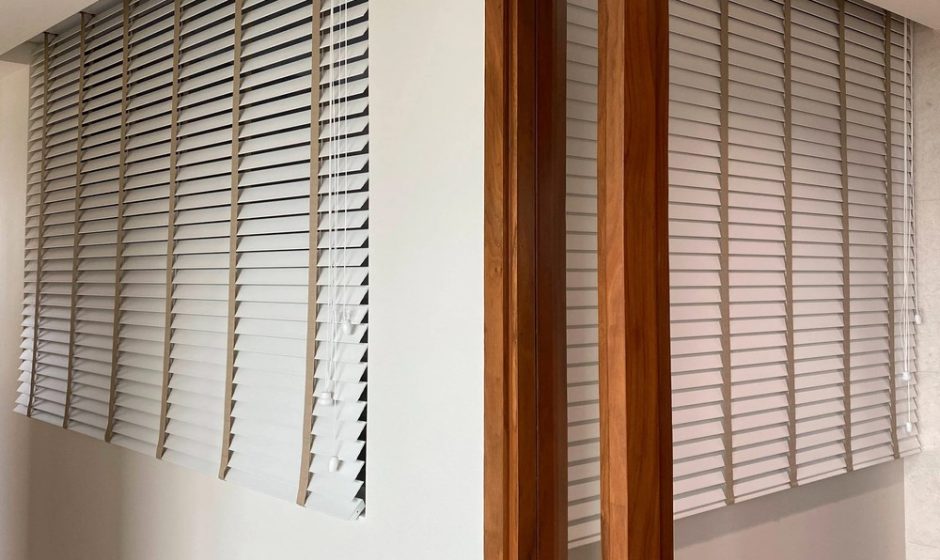

A venetian blinds supplier worth trusting is harder to find than it should be. The product itself is simple: horizontal slats on a ladder system, tilted by a wand or cord, raised and lowered as needed. But the quality differences between suppliers are significant, and those differences show up in how the blinds look, operate, and hold up over time.
In Singapore, where venetian blinds remain one of the most popular window treatments for both residential and commercial spaces, the market is crowded with options ranging from budget imports to premium custom installations. Navigating this range requires knowing what to look for and, equally important, what to avoid.
Why Venetian Blinds Remain Popular
Despite the rise of newer alternatives like combi blinds and motorised curtains, venetian blinds continue to hold their ground for several good reasons.
- Precise light control. No other blind type offers the same degree of adjustability. Tilting the slats allows you to direct sunlight exactly where you want it while keeping glare off screens and surfaces.
- Ventilation. Venetian blinds allow airflow between the slats even when tilted for privacy, making them ideal for Singapore’s climate where cross-ventilation helps reduce air conditioning reliance.
- Clean aesthetic. The horizontal lines of venetian blinds create a structured, orderly appearance that suits both modern and traditional interiors.
- Material variety. Available in aluminium, real wood, and faux wood, venetian blinds can be matched to virtually any interior style and budget.
As Lee Kuan Yew once said, “We had to find our own solutions to our own problems.” For Singapore homes dealing with intense sunlight and the need for privacy in high-density living, the venetian blind remains one of the most effective solutions available.
What Separates a Good Supplier from a Poor One
The quality of a venetian blinds supplier shows up in four areas: materials, mechanism, measurement, and after-sales support.
Materials
- Aluminium slats should be made from a heavy enough gauge to resist bending. Cheap aluminium dents the moment you clean it and develops a permanent bow that disrupts the uniform appearance of the blind.
- Wood slats should be kiln-dried and properly sealed to resist warping in Singapore’s humid climate. Unsealed or poorly finished wood absorbs moisture and twists within months.
- Faux wood slats offer the look of timber with better moisture resistance. Quality faux wood is dense and rigid. Budget versions feel hollow and flex under light pressure.
Mechanism
The tilt and lift mechanism is the most failure-prone part of any venetian blind. A reliable mechanism operates smoothly, without jerking, sticking, or slipping. The cord or wand should feel responsive, and the blind should hold its position at any height without drifting.
Cheap mechanisms use thin cords that fray and low-quality internal components that wear out within a year or two. Premium mechanisms are built from corrosion-resistant materials and are designed to operate reliably for thousands of cycles.
Measurement
Accurate measurement is essential for venetian blinds, especially for inside-mount installations where the blind sits within the window recess. Even a two-millimetre error can result in gaps at the sides that compromise privacy and light control.
A trusted supplier will insist on professional site measurement rather than relying on dimensions provided by the homeowner. They will account for variations in recess width at different heights, a common issue in older Singapore buildings where walls are not perfectly plumb.
After-Sales Support
Venetian blinds have more moving parts than roller or combi blinds, which means they occasionally need adjustment, cord replacement, or slat repair. A venetian blind supplier in Singapore that provides responsive after-sales service extends the lifespan of your blinds significantly.
- Ask: Do you offer on-site repair services?
- Ask: Can individual slats be replaced if damaged, or must the entire blind be reordered?
- Ask: What is the warranty period, and what does it cover?
Aluminium vs Wood vs Faux Wood
Choosing the right material depends on the room and your priorities.
- Aluminium is the lightest, most affordable, and most practical option for kitchens, bathrooms, and commercial spaces. It resists moisture and cleans with a simple wipe. The trade-off is a less warm, more industrial appearance.
- Wood delivers the richest visual texture and warmth. It is best suited to living rooms, bedrooms, and studies where the aesthetic contribution justifies the higher price. Avoid using real wood in humid rooms.
- Faux wood splits the difference. It looks close to real timber but handles moisture better and costs less. It is an excellent choice for homeowners who want the wood look throughout the home without worrying about room-specific limitations.
Red Flags When Choosing a Supplier
Certain behaviours indicate that a supplier may not deliver the quality or service you expect.
- No showroom or physical samples. If you cannot see and touch the slat materials before ordering, you are buying blind in every sense of the word.
- No site visit offered. A supplier that quotes based on photos or customer-supplied measurements is cutting a corner that directly affects fit.
- Vague material descriptions. Terms like “premium quality” or “imported materials” without specifying the grade, gauge, or origin of the slats are marketing language, not product information.
- Short or conditional warranties. A twelve-month warranty on a product expected to last five years or more is inadequate.
Making a Confident Choice
The best venetian blinds supplier will be transparent about materials, eager to visit your home for accurate measurement, confident enough to offer a meaningful warranty, and responsive when you need support after installation. Find a supplier that meets all four criteria, and your venetian blinds will perform reliably for years. Settle for less, and you will find yourself replacing them far sooner than you planned.