
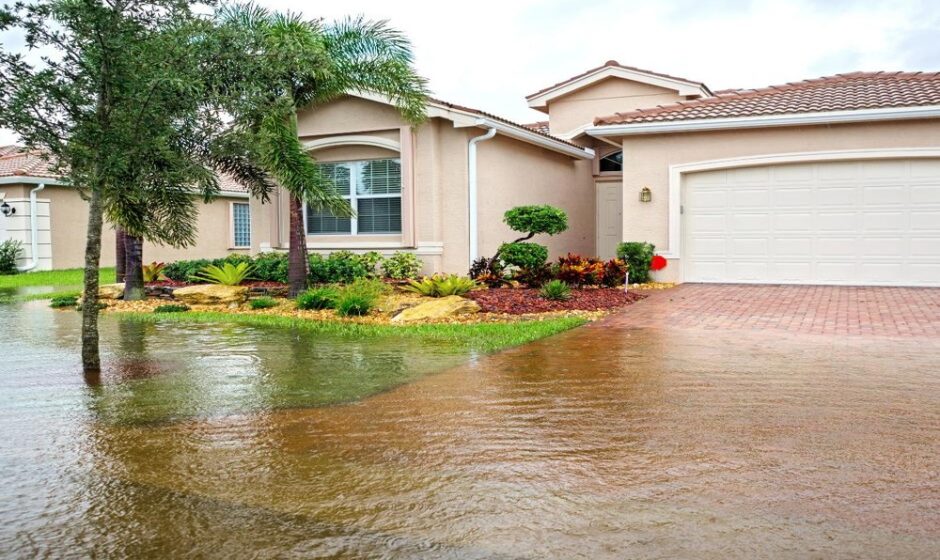

Garage doors are exposed to the elements every day, making them highly sensitive to weather changes. Temperature shifts, humidity, rain, and wind can all affect how smoothly a garage door operates. Understanding these impacts helps homeowners prevent malfunctions and extend the lifespan of their system.
Cold Weather and Frozen Components
Cold temperatures can cause metal parts to contract and lubricants to thicken, making the garage door harder to open or close. In some cases, moisture around the bottom seal can freeze the door to the ground.
This can strain the opener motor and even damage seals if the door is forced open. Regular lubrication and clearing ice buildup can help prevent these issues.
Heat and Humidity Effects
High temperatures and humidity can cause certain garage door materials, especially wood, to expand. This expansion may lead to misalignment, sticking panels, or difficulty in smooth operation.
Humidity can also affect electronic components in the opener system over time, increasing the risk of electrical issues if not properly maintained.
Rain, Moisture, and Corrosion
Frequent rain exposure increases the risk of rust on metal parts such as springs, tracks, hinges, and rollers. Moisture can also seep into electrical systems or weaken lubrication, causing more friction during operation.
Without regular maintenance, corrosion can lead to noisy movement, uneven lifting, or eventual mechanical failure.
Wind and Storm Pressure
Strong winds place physical pressure on garage doors, especially during storms or hurricanes. If the door is not properly reinforced, it may flex, vibrate, or in extreme cases, fail under pressure.
A compromised garage door can also allow wind and water intrusion, which may damage the interior of the home.
Seasonal Expansion and Misalignment
Repeated cycles of heat and cold can cause materials to expand and contract. Over time, this may lead to track misalignment, uneven movement, or gaps in sealing.
These small shifts can gradually affect the door’s balance and increase wear on the opener system.
Preventive Maintenance Tips
Homeowners can reduce weather-related issues by performing regular maintenance. This includes lubricating moving parts, inspecting seals, clearing debris from tracks, and checking alignment.
Weather stripping should also be replaced when worn to maintain insulation and protection from the elements.
Final Thoughts
Weather conditions have a direct impact on garage door performance, affecting everything from mechanical movement to structural integrity. By understanding how cold, heat, moisture, and wind influence the system, homeowners can take proactive steps to maintain safe, reliable operation year-round.
This article was written by a professional at 1 Stop Garage Doors. We proudly serve homeowners and businesses with top-quality garage door repair in Bolingbrook IL. We install premium doors and openers from trusted brands, ensuring reliability and customer satisfaction. Our expert team provides cost-effective solutions, arriving with fully stocked trucks to handle repairs on the spot, including torsion spring replacements, drum and roller fixes, and general maintenance to keep your garage door functioning smoothly.