
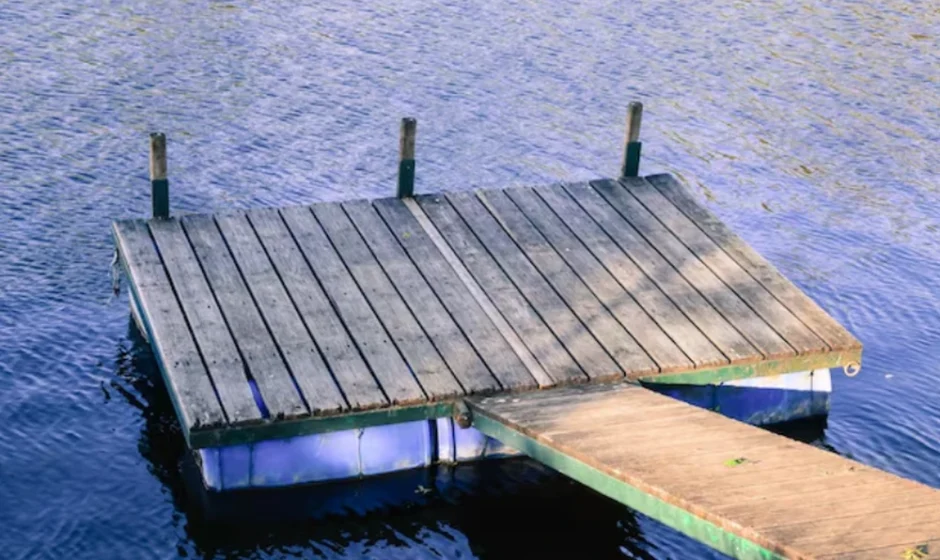

A floating dock makes waterfront life easier. It gives you a place to board your boat, unload gear, or simply enjoy the view. But saltwater, sunlight, and constant movement can take a toll, even on a dock designed for coastal use.
Floating dock maintenance does not have to be complicated. A regular rinse, a close look at the hardware, and a few seasonal checks can help you catch small problems before they become expensive repairs.
Start with your dock manufacturer’s care instructions. Wood, aluminum, composite decking, and polyethylene floats have different needs, so the same cleaning method will not suit every dock.
1. Rinse Away Salt Before It Builds Up
Salt spray can leave deposits on decking, brackets, cleats, and other exposed parts. A freshwater rinse helps remove that residue, especially around metal connections where moisture can collect.
Use a garden hose with gentle pressure. Pay extra attention to:
- Bolts, hinges, and mounting brackets.
- Cleats, ladders, and railings.
- Joints where different materials meet.
- Corners that collect dirt and salt.
Rinse after heavy salt spray or frequent use, and adjust your routine to local conditions. A sheltered dock may need less attention than one exposed to wind and waves.
While rinsing, look for anything unusual. A loose bracket or a new stain is easier to notice when you are already checking the area.
2. Check Hardware for Corrosion and Wear
Dock hardware deals with more than saltwater. Waves, changing tides, and boat movement also put stress on its connections.
Inspect accessible hardware regularly. A monthly check is a useful starting point, with extra checks after rough weather. Look for loose fasteners, deep rust, pitting, cracks, or parts that have started to bend.
Stainless steel can still corrode in marine conditions. Aluminum and coated hardware can also develop problems, particularly around joints or damaged finishes.
Clean light surface staining with a product approved for the metal. Avoid ordinary steel wire brushes, which can scratch finishes or leave particles that rust.
Use lubricants or corrosion protection only where the manufacturer recommends them. Do not coat every bolt or tighten every connection as much as possible. Some dock connections need controlled movement, and fasteners may have specific torque requirements.
If a part has lost metal or no longer holds securely, cleaning it is not enough. Have it assessed and replaced with compatible hardware.
3. Keep the Walking Surface Clean
Algae, bird droppings, and wet debris can make a dock slippery. Remove buildup before it becomes a thick layer, especially near ladders and frequently used boarding areas.
For many plastic docks, a brush and garden hose handle routine cleaning. If needed, use a mild, non-abrasive cleaner approved by the manufacturer. Composite decking should also be cleaned according to its product instructions.
Wood needs a closer look. Check for splinters, soft spots, and loose boards as you clean. Apply a suitable protective finish when the wood’s condition and the finish manufacturer’s instructions call for it.
A few habits help:
- Sweep away leaves and loose debris.
- Start with water and gentle brushing.
- Avoid harsh chemicals and abrasive tools.
- Use a pressure washer only if the manufacturer permits it, following its settings and distance guidance.
- Keep cleaning products and loosened debris out of the water as much as possible.
Plastic dock sections generally do not need wood sealers or routine painting. Adding a coating without checking compatibility can create extra problems.
4. Watch for Changes in the Flotation System
The floats support the dock and its load. You do not need to get underneath the dock to notice some early warning signs.
From a safe position, check whether the dock sits evenly under its usual load. Look for a corner sitting lower than before, visible cracks, damaged float connections, or an unexplained change in stability.
Marine growth can collect below the waterline. Some growth is normal and does not automatically mean the floats are damaged. Heavy buildup may need attention, depending on the dock design and local conditions.
Have a qualified dock professional inspect areas you cannot safely reach. Do not dive beneath a floating dock or try to lift it yourself for a routine check.
Follow the float manufacturer’s instructions for removing marine growth. Aggressive scraping or unsuitable pressure washing can damage some surfaces. Antifouling coatings are not a standard maintenance step for every float, so check compatibility before applying anything.
5. Inspect Anchors, Lines, and Moving Connections
A floating dock needs to stay in position while rising and falling with the water. Its anchoring system must allow that movement without becoming loose or binding.
Check accessible chains, cables, ropes, pile guides, and attachment points for:
- Worn or heavily corroded chain links.
- Frayed rope or damaged cable.
- Loose shackles and connectors.
- Unusual rubbing or restricted movement.
- A dock that has shifted from its normal position.
Do not adjust anchor tension by guesswork. Too little movement can strain the dock as water levels change, while too much movement can allow it to strike nearby structures.
Ask your installer to assess worn parts or changes in how the dock moves. Underwater anchors and connections may need a professional inspection.
6. Plan Seasonal Checks and Prepare for Storms
Set aside time for a more thorough inspection before the busy boating season and before your area’s severe-weather season. These checks add to your routine maintenance.
Review the decking, floats, hardware, anchoring system, gangway, and accessories. Take photos and keep a short repair log so you can compare changes over time.
For hurricane preparation, follow a plan developed for your dock and location. Some systems may require professional removal or specific adjustments. Do not disconnect or relocate a dock without knowing how it should be handled.
Before severe weather arrives, secure or remove loose accessories when it is safe to do so. Afterward, inspect the dock from shore first. Keep people off it if you notice damage, unusual leaning, or shifted connections.
Small Maintenance Habits Make a Difference
A saltwater dock does not need to look brand-new to be well cared for. What matters is keeping the surface usable, the connections sound, and the flotation system working as intended.
Build a routine you can follow: rinse when needed, remove slippery buildup, and pay attention to changes. When something looks damaged or feels less stable, arrange an inspection before using the dock again.
This post was written by a professional at Supreme Marine Floating Docks. Supreme Marine Floating Docks is dedicated to providing top-quality floating docks and marine accessories that combine durability, innovation, and superior performance. While we are a new brand, our team brings over 50 years of combined industry experience, making us trusted marina contractors Palm Beach. We are passionate about designing and delivering products that meet the highest standards, ensuring reliability and longevity in all marine environments. Whether for residential, commercial, or recreational use, our docks are crafted with precision and care, setting a new benchmark in the industry. At Supreme Marine, we don’t just build docks-we create lasting solutions.