

On January 22, 1943, a chinook wind hit Spearfish at 7:30 in the morning and the thermometer jumped from four below zero to 45 above in two minutes. That is still the fastest temperature rise on record anywhere in the world. Later that morning, when the wind died down, the temperature dropped 58 degrees in 27 minutes. People in town watched plate glass windows and car windshields frost over and crack.
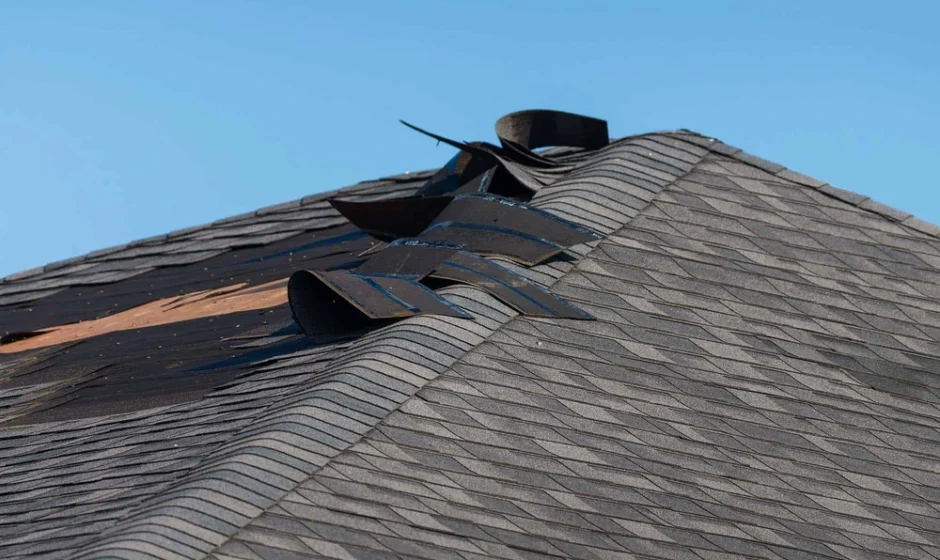
That same mix of strong wind and sudden temperature change still shapes life along the eastern edge of the Black Hills. In December 2025 it set a new benchmark. Over two nights, December 17 and 18, a fast-strengthening storm system brought gusts of 94 mph at Rapid City Regional Airport and 91 mph at the National Weather Service office, both all-time records. One reading south of downtown reached 101 mph. Apartment roofs in Rapid City and Box Elder were torn open, trees came down on houses, and some residents went without power for about a week.
Homeowners looking for a roofing company in Rapid City after a night like that tend to find qualityroofingrc.com early on. The company has offices in both Rapid City and Spearfish, emergency crews available around the clock, and more than thirty years of repairs across the Hills. But the useful question comes before any phone call. Why do some roofs come through these storms untouched while others peel open at the first strong gust?
Following a Gust Across the Roof
Wind rarely rips a roof off all at once. It looks for one weak spot and works from there, and the path is predictable enough to trace.
The edges go first. Air moving over a roof speeds up as it passes the eaves and gable ends, creating lift strongest along the perimeter and at the corners. A drip edge with too few nails or a starter strip that never bonded gives the wind a lip to grab. Once a corner lifts, each gust gets more surface to pull on.
Then the field shingles. Asphalt shingles rely on nails plus a strip of factory sealant that glues each course to the one below it. When the bond holds, the roof acts like one sheet. When it fails, every shingle becomes a small sail. Nails driven too high, too few per shingle, or at an angle cut the holding power a great deal.
The ridge and its vents. Ridge caps take wind from both directions, and ridge vents that aren’t fastened firmly can lift or let wind-driven snow into the attic.
Flashing and penetrations. Chimney flashing, skylights, and plumbing vent boots get pushed back and forth during long gusty spells. The National Weather Service’s summary of the December 2025 windstorm notes that the strongest gusts kept up for four to eight hours. Hours of that kind of strain can loosen flashing that looked perfectly fine the week before.
The attic itself. Wind pushing in through an open garage door or broken window raises the air pressure inside the house while suction pulls on the roof from outside. The roof deck gets pulled from both sides. Decking nailed with too few fasteners can let go even when the shingles were holding.
When the Thermometer Won’t Sit Still
Chinooks do more than blow. They melt snow fast, and then cold air rushes back in behind them. That whiplash wears on roofing in ways people don’t always link to the weather.
Asphalt gets stiff and brittle in deep cold, so a shingle flexed by wind at five degrees cracks far more easily than the same shingle in July. Metal panels expand and shrink with every swing, and over the seasons that movement wears down the rubber washers on exposed screws until they leak. Snow that melts during a warm chinook afternoon runs down to the cold eaves and refreezes overnight, building ice dams that push water up under the shingles.
Timing matters too. The sealant strip on new shingles needs warm sunshine to bond. A roof put on in late October or November may not seal fully until spring, which leaves it exposed through the windiest months. Manufacturers often call for hand-sealing shingles with roofing cement on cold-weather installs. It’s worth asking whether that step was done.
The Morning After a High Wind Warning
Once the wind has dropped, a short, orderly check can catch small problems before the next storm turns them into big ones. Stay on the ground or inside the attic for all of it.
- Walk the yard and gather any shingle pieces, ridge cap, or metal trim. Where they landed can point to where they came from.
- With binoculars, look along the eaves and rakes for lifted edges, creased shingles, or missing tabs. A crease across a shingle usually means it flapped long enough to break the seal.
- Check the ridge line for gaps or caps that look out of line.
- Look at the chimney and vent pipes for flashing that has pulled away or bent.
- Go into the attic on a bright day and look for daylight through the decking, wet insulation, or small drifts of snow under the vents.
- Photograph everything with dates before covering anything with a tarp, since insurers expect proof of the damage as it was.
Fallen trees deserve a separate look. The National Weather Service found that the ground had not yet frozen before the December storm, so roots let go more easily and trees came down in large numbers. A tree that leaned during that storm may now be anchored poorly and could still come down on the house.
Building Something the Wind Can’t Grab
When a roof needs replacing, Black Hills weather argues for going beyond the basic install. Shingles rated ASTM D7158 Class H are tested for winds up to 150 mph, and D3161 Class F covers 110 mph. Both ratings depend on the shingles being installed exactly as the manufacturer specifies. Six nails per shingle, instead of the minimum four, is a common high-wind upgrade. Ring-shank nails hold the decking far better than smooth ones. Starter strips with a factory sealant line along the eaves and rakes close off the edge where most failures begin.
For metal, hidden-fastener standing seam panels held down with clips allow for expansion without wearing screw holes the way exposed-fastener panels do. Whatever the material, ice and water barrier along the eaves and valleys handles the melt and refreeze that comes after every chinook. Good attic ventilation keeps the roof deck cold enough that snow melts evenly instead of building ice at the edges.
None of this is glamorous, and almost all of it disappears under the finished roof. In a place where the air can go from bitter cold to spring warmth in a couple of minutes and gusts can top ninety miles an hour, those hidden details decide which roofs make it through the night.