
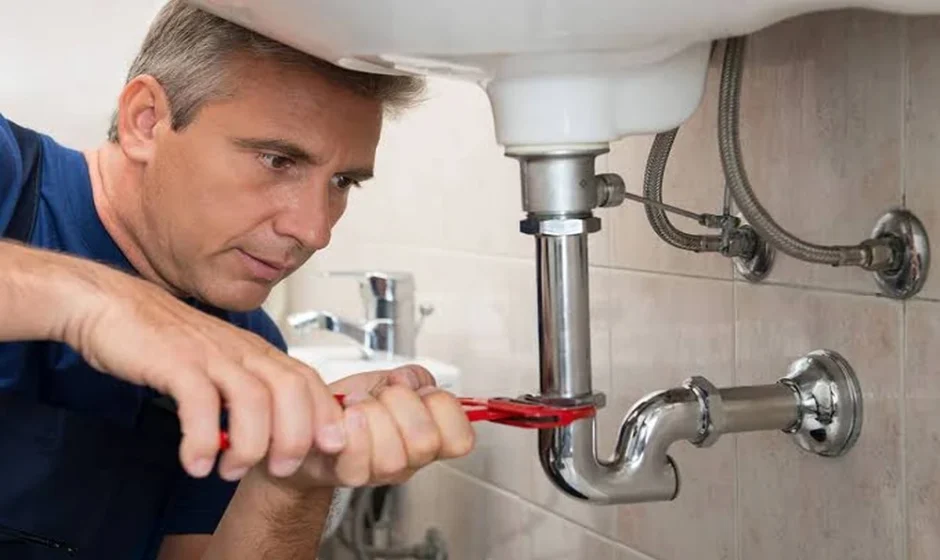

A dripping bathroom faucet might seem like a small inconvenience, especially when the water loss appears insignificant. However, that constant dripping can indicate underlying plumbing problems that become more serious over time. What begins as an occasional leak may eventually lead to higher water bills, damaged bathroom fixtures, and unexpected repair expenses. Understanding the causes and consequences of faucet leaks can help homeowners recognize when professional attention is necessary.
Small Drips Can Lead to Significant Water Waste
A faucet that releases just a few drops every second can waste a surprising amount of water over several months. Although individual drops seem harmless, continuous leakage contributes to unnecessary water consumption and increased utility expenses.
Many homeowners overlook minor leaks because their faucets continue functioning normally. However, delaying repairs allows water waste to continue without addressing the underlying mechanical problem.
Professional Bathroom Faucet Repair Houston services can help identify damaged components, restore proper water flow, and prevent unnecessary water loss. Addressing the problem early can also reduce the likelihood of more extensive plumbing repairs.
Worn Internal Components Are Often Responsible
Bathroom faucets contain several small components that regulate water flow and maintain a secure seal when the handle is turned off. Over time, these components experience wear from repeated use, water pressure, and mineral deposits.
Rubber washers, O-rings, cartridges, and valve seats are common sources of faucet leaks. When these components deteriorate, they may no longer create an effective seal, allowing water to escape even when the faucet is closed.
Different faucet designs require different repair approaches. Compression faucets often develop leaks because of worn washers, while cartridge faucets may experience problems when internal seals become damaged.
Identifying the correct component is important because replacing unrelated parts may not resolve the original issue.
Hidden Moisture Can Damage Bathroom Surfaces
Not every faucet leak produces visible dripping into the sink. Some leaks develop around the faucet base, beneath the countertop, or inside the cabinet below the sink.
Water that repeatedly collects around these areas can gradually damage wooden cabinets, loosen countertop materials, and create stains on surrounding surfaces. Moisture trapped inside enclosed spaces may also encourage mold growth.
These problems can remain unnoticed until homeowners discover swelling, discoloration, or unpleasant odors near their bathroom fixtures.
Regularly inspecting the space beneath the sink and around faucet connections can help identify moisture problems before they cause significant damage.
Mineral Deposits Can Make Faucet Problems Worse
Minerals naturally present in household water can accumulate around faucet openings and internal plumbing components. Over time, these deposits may interfere with the movement of valves and reduce the effectiveness of seals.
Homeowners may notice white residue around faucet handles, uneven water flow, or difficulty turning the faucet completely off.
Mineral buildup can also affect aerators, creating irregular water streams or reduced pressure. Cleaning accessible components may improve performance, but internal deposits sometimes require professional attention.
Ignoring these warning signs can allow deposits to accumulate further, making faucet operation increasingly difficult.
Excessive Water Pressure Can Contribute to Leaks
Household water pressure plays an important role in faucet performance. When pressure exceeds recommended levels, internal faucet components may experience additional stress.
Excessive pressure can accelerate seal deterioration and contribute to recurring leaks, even after damaged components have been replaced.
Homeowners who experience repeated faucet problems should consider whether water pressure is contributing to the issue. A plumbing professional can measure pressure levels and determine whether adjustments are necessary.
Maintaining appropriate water pressure supports faucet performance while protecting other plumbing fixtures throughout the home.
Repairing a Faucet Versus Replacing It
Not every dripping faucet requires complete replacement. Minor problems involving washers, cartridges, or loose connections can often be corrected through targeted repairs.
However, replacement may become more practical when a faucet has extensive corrosion, recurring internal failures, or damaged components that are difficult to obtain.
The age and overall condition of the fixture should also influence the decision. An older faucet requiring frequent repairs may cost more to maintain than a reliable replacement.
Evaluating repair expenses alongside long-term functionality helps homeowners choose a solution that provides lasting value.
Conclusion
A dripping bathroom faucet deserves attention because even minor leaks can indicate developing plumbing problems. Water waste, deteriorating seals, hidden moisture, and excessive pressure can gradually turn a simple inconvenience into an expensive repair.
Recognizing warning signs and addressing leaks promptly helps protect bathroom fixtures, conserve water, and maintain plumbing efficiency. With regular maintenance and timely professional repairs, homeowners can prevent small faucet problems from becoming major household concerns.