
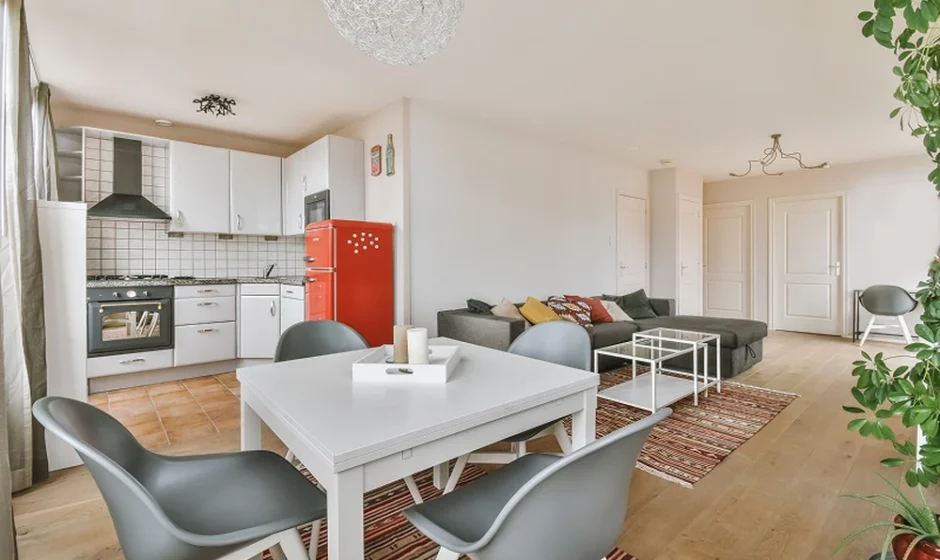

Accommodation can shape the comfort and cost of a trip, especially when travel lasts more than a few nights. Business travellers may need space to work, relocating professionals may want a more residential setting, and families may prefer facilities that make daily routines easier. Choosing a short-stay apartment in Singapore or a hotel therefore involves more than comparing nightly rates. The right option depends on how long you will stay, how you plan to use the space and which services you need.
Length of Stay and Daily Routine
The duration of a trip is a useful starting point. For a brief visit focused on meetings, sightseeing or events, a hotel may offer a convenient base with straightforward check-in and services on site. Travellers who stay for several weeks may place greater value on separate living areas, laundry facilities and space to follow familiar routines.
An apartment-style stay can provide a more residential layout, but the actual facilities vary by property. Some units include a kitchen or kitchenette, while others offer more limited food preparation facilities. Ask what is included rather than assuming every apartment has the same features.
Consider how you will spend your days. If you expect to return mainly to sleep, a compact room may be sufficient. If you will work remotely, prepare meals or spend evenings with family, a separate living area can make the accommodation more functional. The number of guests and their schedules also matter, especially when people need privacy or different sleeping arrangements.
Space, Privacy and Shared Facilities
Hotels commonly organise accommodation around a bedroom and bathroom, although room types vary. A serviced apartment may provide distinct living, sleeping and dining areas, which can help guests separate work from rest. This difference becomes more noticeable when several people share the same accommodation.
Space is not only about floor area. Storage, seating, desk arrangements and the number of bathrooms can affect everyday comfort. Ask for the unit’s layout and confirm the actual bed configuration if you are travelling with colleagues, children or other family members.
Privacy requirements should also influence the choice. Travellers sharing a unit may value separate bedrooms or a living room where one person can work while another rests. However, apartment layouts differ, and not every property offers the same level of separation. Review the floor plan and occupancy conditions before booking.
Shared facilities can add convenience, but they should match your habits. A hotel may provide a restaurant, gym or reception service, while an apartment property may offer communal facilities and a more independent living arrangement. Confirm availability, opening hours and any additional charges rather than treating amenities as automatically included.
Accommodation Comparison Table
| Consideration | Short-Stay Apartment or Serviced Apartment | Hotel |
| Living space | May include separate living, dining and sleeping areas | Often centres on a bedroom and bathroom, with larger room types available |
| Food preparation | May include a kitchen or kitchenette, depending on the unit | Usually relies more on room service, restaurants or nearby food options |
| Housekeeping | Frequency and scope vary by property and booking terms | Often follows a regular hotel housekeeping schedule |
| Service model | May combine residential-style living with selected services | Often provides reception and hospitality services on site |
| Longer stays | May suit guests seeking a more residential routine | Can suit extended stays where hotel services are a priority |
| Total cost | Depends on rent, service charges, utilities and included facilities | Depends on nightly rates, taxes, meals, laundry and other extras |
This table describes common differences rather than guarantees. Individual properties may offer a combination of features, so check the actual booking terms.
Cooking, Laundry and Everyday Convenience
Food and laundry arrangements can affect the overall experience, particularly during an extended stay. A unit with suitable cooking facilities may allow guests to prepare simple meals, manage dietary preferences or reduce reliance on restaurants. Before booking, confirm the available appliances, cookware and dining arrangements. A kitchenette may not provide the same facilities as a full kitchen.
Laundry access can be equally important for business travellers and families. Some properties offer in-unit washing machines, while others provide shared laundry facilities or paid services. Hotels may offer laundry services, but charges and turnaround times vary. If you expect to wash clothes regularly, compare the cost and convenience of the available options.
Think about storage and supplies as well. Longer stays may require space for groceries, work equipment, luggage and personal items. Ask how often towels and linens are changed, whether cleaning is included and whether you must purchase basic household supplies yourself.
These practical details may seem minor when viewed individually, but they can influence both comfort and spending over several weeks.
Services, Support and House Rules
The service model is another important distinction. Hotels often provide a staffed reception, concierge assistance or established procedures for guest requests. A serviced apartment may offer support through a reception desk, property management team or another arrangement. Availability can differ, especially outside normal office hours.
Ask how check-in works, whom to contact if a key or appliance fails and how urgent maintenance requests are handled. Travellers arriving late or working irregular hours should confirm the support arrangements before paying. It is also sensible to understand the process for reporting damage or requesting a change of unit.
Review house rules, visitor policies, smoking restrictions and any limits on occupancy. Apartment properties may have rules designed to protect residential comfort and shared facilities. Hotel policies differ, so read the conditions rather than relying on assumptions about either type of accommodation.
For business travellers, reliable internet access and a suitable workspace may be essential. Confirm whether Wi-Fi is included, whether the unit has a proper desk and whether the environment is appropriate for calls. If you require printing, meeting space or other work facilities, establish whether these are available on site or nearby.
Compare the Total Cost, Not Just the Rate
A lower advertised rate does not always produce a lower final bill. For a serviced apartment, check whether utilities, cleaning, internet access, laundry and other services are included. Hotels may add charges for meals, parking, laundry or other amenities. Taxes, deposits and cancellation conditions can also change the overall cost.
Compare the total amount for the complete stay using the same dates, number of guests and room requirements. If your plans may change, consider the value of flexible cancellation alongside the price. A non-refundable rate may be less suitable when travel dates remain uncertain.
For longer bookings, ask whether rates change with the length of stay and whether minimum booking periods apply. Clarify payment schedules, deposit returns and any conditions for extending the reservation. These details matter when a business assignment or relocation timeline is not fully confirmed.
Match the Accommodation to Your Priorities
Before booking, rank your most important needs: location, privacy, workspace, cooking facilities, service availability or overall budget. Then compare properties against those priorities rather than choosing by category alone. A hotel may be the better fit for a short, service-focused visit, while an apartment may offer useful flexibility for a longer stay with regular daily routines.
Read the specific property description of a short-stay apartment in Singapore and ask questions about anything unclear. Confirm the exact unit type, included facilities and support arrangements in writing. A few checks before booking can prevent mismatched expectations after arrival.
Contact Aurealis Serviced Residences to discuss your intended stay, accommodation preferences and the available options for your travel or relocation needs.