
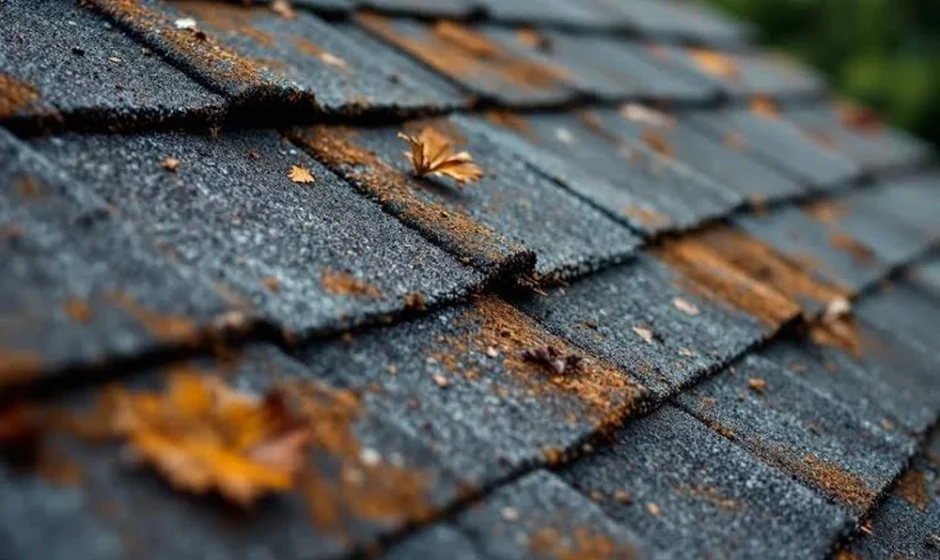

Pick up a brand new asphalt shingle and it bends like a thick strip of leather. Pull one off a roof that has baked through fifteen Jersey summers and it can snap in your hands with a sound like a cracker breaking. Nothing about the color or the shape of the two shingles tells you that much. The real story is happening inside the asphalt, and it explains why so many homeowners are now asking whether a tired roof can be given more time instead of being torn off.
That question comes up often along the Monmouth County coast, where salt air, strong sun and hard winters work on a roof from every direction. A Spring Lake Heights contractor like My Roof Dr lists rejuvenation right next to repairs, cleaning and full installs, and that pairing says a lot about where homeowner thinking has moved. People want to know if there is a sensible step between patching a leak and signing a contract for a whole new roof.
There often is. It just isn’t the right step for every house, and knowing the difference is what saves money.
Where the Bend Goes
An asphalt shingle is a fiberglass mat soaked in asphalt and topped with mineral granules. The asphalt carries lighter oils that keep it pliable, and those oils are what let a shingle flex in a January wind without cracking.
Sunlight and heat slowly drive those oils off through oxidation. On a July afternoon a dark roof surface can climb far above the air temperature, then cool sharply after sunset. Every one of those cycles makes the shingle expand and contract a little, and every year the asphalt gets a bit harder and more brittle.
The granules are the shingle’s sunscreen. As they loosen and wash into the gutters, more asphalt is exposed to ultraviolet light, which speeds up the drying. That is why aging tends to accelerate in the back half of a roof’s life rather than moving at a steady pace. Near the shore, wind adds its own stress. Brittle tabs lift in a gust, crack along the nail line and eventually let water find its way underneath.
A Roof Has to Qualify First
Rejuvenation works by putting oil back into asphalt that still has a healthy structure. It cannot rebuild what has already worn away. So the first job is an honest look at the roof, ideally from someone who will walk it rather than glance at it from the driveway.
The best candidates usually sit somewhere in the middle of their expected life. The granule coverage is still mostly intact, the tabs feel stiff but lie flat, and the decking underneath is solid. Light edge curling and a faded, chalky look are common at this stage and are exactly what the treatment is meant to address.
Some conditions point the other way, and a trustworthy roofer will say so plainly.
- Bald patches where the dark mat shows through the granules
- Widespread cupping or tabs that have curled into a claw shape
- Soft or spongy spots that suggest rotting decking
- Repeated leaks that trace back to failed underlayment rather than the surface
When those signs are present, oil on the surface is money spent on a roof that is already past saving.
What Treatment Day Looks Like
The process begins with repairs, not spraying. Missing or broken shingles get replaced, cracked pipe boots get swapped out and loose flashing gets sealed. Treating a roof that still has open problems only preserves the problems.
Next comes cleaning. Debris is blown off, gutters are cleared and any moss or algae is killed and removed so the treatment can actually reach the asphalt. After that, a rejuvenating product is sprayed across the surface at low pressure. Many of the newer formulas are bio based, often made from soybean oil, while others are petroleum blends. It is fair to ask which one is going on your roof and to request the product’s data sheet.
The oil soaks in over several hours. Crews look for a dry forecast and mild temperatures so rain does not wash the product away before it absorbs. On a typical single family home the work often fits into one day, and the household goes on living normally underneath it. Shrubs and patio furniture near the drip line are usually covered as a precaution.
Reading the Fine Print Before Signing
The honest limits of rejuvenation deserve as much attention as the benefits. Granules that are already gone stay gone, so a roof with heavy granule loss gains little. Product makers commonly claim several added years per application, sometimes with the option to reapply, but much of that data comes from the manufacturers themselves, and long term independent studies are still thin.
Warranty language matters too. Some shingle manufacturers spell out what aftermarket treatments do to their coverage, so it is worth checking the original paperwork before anything is applied. Home insurers may also continue to judge the roof by its installation date regardless of treatment, which can matter if you are shopping for a new policy.
None of this makes the service a bad idea. It simply means the decision should rest on the roof’s real condition and not on a sales pitch.
Moss, Streaks and the Years in Between
Shore towns lined with mature oaks and maples tend to grow moss on shaded north slopes. Moss holds water against the shingles like a wet sponge and can slowly pry tabs upward. Those dark streaks running down many Jersey roofs are usually a type of algae that feeds on the limestone filler in the shingles, which is why they spread from house to house in the same neighborhood.
Pressure washing is the fastest way to make a roof look clean and the fastest way to strip its granules. A gentle soft wash with the right cleaning solution does the job without the damage. Zinc or copper strips near the ridge can slow regrowth because rain carries small amounts of the metal down the slope.
Small habits add up as well. Keep gutters clear so water does not back up under the first course. Trim branches that rub the roof in the wind. When holiday lights go up, use plastic clips that hook onto gutters or shingle edges rather than nails or staples that leave dozens of tiny holes behind.
Vetting the Person on the Ladder
New Jersey requires home improvement contractors, roofers included, to register with the state before they sell or perform work. You can learn more about that requirement through the New Jersey Division of Consumer Affairs Regulated Business Section, which handles contractor registration. A registered contractor’s number begins with 13VH, and jobs above $500 need a written contract that includes it.
Beyond the paperwork, ask for photos of the roof before work begins and after it finishes. Ask how they judged the roof a good candidate, which product they use and how they protect landscaping. A contractor who is comfortable explaining when rejuvenation is the wrong call is usually the one worth trusting when they say it is the right one.
The Math Beyond the Invoice
A rejuvenation treatment usually costs a small fraction of a full replacement, and every year it buys pushes a large expense further down the road. There is a waste side to the equation as well. Old shingles from tearoffs make up a large share of residential construction debris headed to landfills each year, so a roof that lasts longer keeps a few more tons out of the dump.
The smartest approach treats the roof the way a careful owner treats a car. Inspect it regularly, fix small problems early and consider renewal treatments while there is still something healthy left to renew. Catch the shingle while it still bends, and you have choices. Wait until it snaps, and the choice has already been made for you.