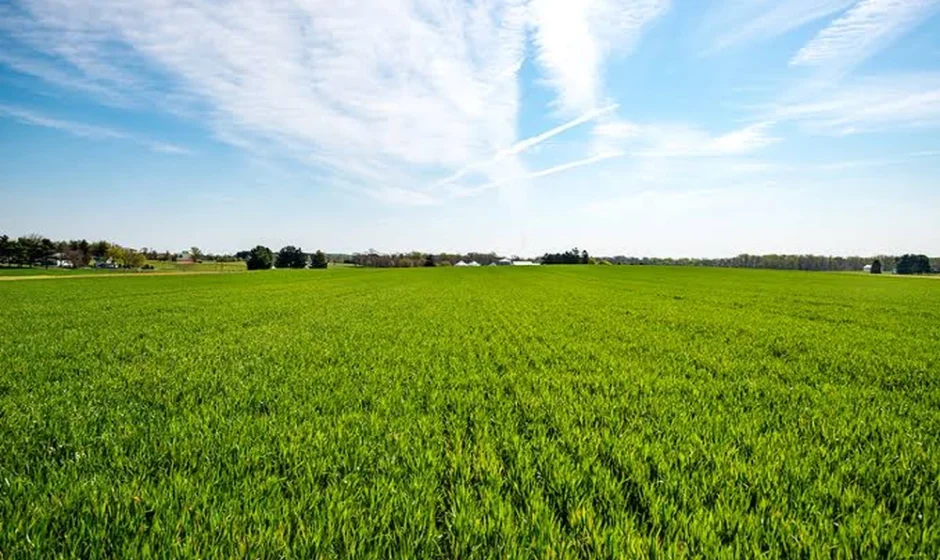

Cover crops are crops cultivated primarily for soil protection and improvement. They can help prevent erosion, stop weeds from growing, structure the soil, and promote the presence of beneficial organisms. But the selection and control of cover crops must be carefully considered. Before growing them, there are a number of points that should be taken into account.
Gardeners can make better decisions by reviewing reliable Cover Crops Gardens Insights before choosing a planting strategy. Understanding how different cover crops behave, when they should be planted and terminated, and how they interact with soil, water, and future crops can help prevent common problems. This practical knowledge also makes it easier to match the right species to the garden’s conditions while gaining the soil-protection and fertility benefits cover crops can provide.
Learn about the requirements for every garden.
The first step is to determine the purpose of the cover crop in the situation. Some crops can be used for adding organic matter, some can be used as a weed management help, some can be used in erosion control, and some can be used to improve soil fertility. A legume may, for instance, supply nitrogen to the soil; while a grass may offer intensive ground cover and help to reduce soil erosion. Selecting a crop for the suitability of your garden can make it more effective.
Take into account the climate and growing conditions.
Cover crops should be suitable for the local climate and growing season. Growth of the cover crop can be affected by temperature, precipitation, solar radiation, and soil properties. Certain varieties work best in cooler seasons and others in warmer seasons. Discounting plants that were developed to suit local conditions can lower maintenance and establishment.
Select the appropriate cover crop for suitable conditions.
The growth and benefits of various cover crops vary. Often grown with clover, rye, oats, buckwheat, or legumes. Consider whether it grows too quickly, has too much growth, draws beneficial insects or is too hard to remove from the garden. Also be sure to not include species that are likely to become invasive or interbreed with future plants growing in the garden.
Plan the Timing
It is important to know when to plant cover crops. They require sufficient time for establishment before bad weather. Additionally, gardeners need to consider the planting window for vegetables or flowers in relation to when the cover crop should be terminated. If enough time is given for the plant material to decompose the battle for nutrients and water can be avoided.
Take into account Water and Nutrient Requirements:
When cover crops are growing, they require water and nutrients. They may be in competition with other plants for water in dry zones. Before planting, gardeners should take into account any irrigation water that will be available and the existing fertility of the soil. Soil testing can also be used to assess if amendments are required.
Plan for Removal
Eventually, a cover crop will need to be cultivated or harvested. Depending on the plant, some can be cut and added to the soil with minimal effort or become difficult or woody if not mowed regularly. There are different varieties for gardeners who want to use a different technique or time to garden.
Inspect for possible pest and disease problems
Some cover crops can harbour insects or diseases which can trouble future garden crops. Gardeners should determine the crops that will follow their crop prior to selecting a variety, and refrain from using a cover crop that has the same large pest or disease problem.
Conclusion
With proper selection and management, cover crops can offer much benefit. Knowing garden objectives, climate, crop selection, timing, water requirements, methods of removal, and the potential pest situation allows gardeners to make decisions about which cover crops will help to protect garden soil while increasing soil health and productivity.