
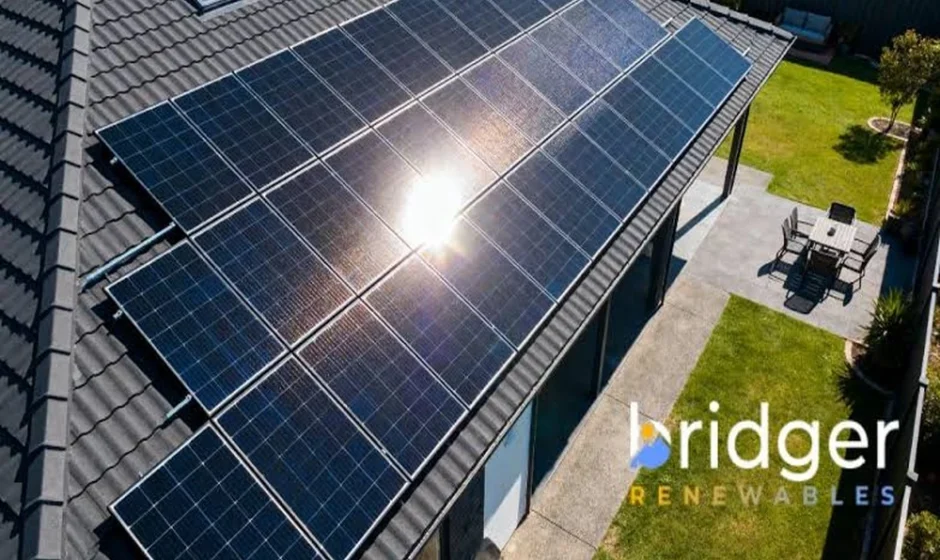

You already know solar can make a real dent in your bill. My job here is to help you judge the numbers in a Montana context and make confident decisions. I track utility rates, incentives, and performance data across cold, high-altitude regions. I focus on practical steps you can use now, not theory.
If you plan to price a system, I suggest starting with a local expert that handles design, permits, and incentives from start to finish. A good option is Bridger Renewables. They are a Montana solar company with NABCEP-certified installers and coverage in Bozeman, Helena, and other communities. You will see why I recommend them in the sections below.
Here is what I will cover:
- How solar lowers bills in our climate
- Where the savings come from
- The Montana solar tax incentive picture and other benefits
- Local notes for Helena and Bozeman
- How to choose a Montana solar installer
- A clear path to get your numbers
Why Solar Works Well In Montana
Montana sees more than 200 sunny days each year. Cold, clear air also helps panels run efficiently. Solar panels prefer cool temperatures. Production does not fall off the way many people expect in winter. Snow can reduce output during storms, yet it often slides off pitched roofs. Fresh snow can even reflect extra light and bump production on clear days.
The bottom line is simple. A well-designed system can cover a large share of your annual electricity use. That share can reach 70 to 100 percent for many homes, depending on roof space, shading, and usage.
Where Your Savings Come From
Solar reduces the volume of kilowatt-hours you buy from your utility. In many Montana service areas, you also receive bill credits for excess power you send back to the grid. Those credits roll to later months, which helps even out the seasonal swings.
A quick example to frame your thinking:
- Typical Montana home use: 8,000 to 12,000 kWh per year
- Installed system size: 6 to 10 kW for many homes
- Expected production: roughly 1,200 to 1,400 kWh per kW per year
- Utility rates: often 12 to 16 cents per kWh, depending on your provider and fees
A 7 kW array can produce around 8,400 to 9,800 kWh per year. At 14 cents per kWh, that can mean $1,100 to $1,370 in annual bill reduction before fixed fees. Your exact savings depend on your rate, load shape, and credit structure.
Montana Solar Tax Incentive and Other Financial Drivers
You can use the 30 percent federal clean energy tax credit for residential and commercial projects. That credit applies to systems placed in service on your property. I always suggest confirming eligibility with a tax professional.
Montana incentives to review with your installer and tax advisor:
- State-level tax incentives: Montana has offered a personal tax credit for alternative energy systems and property tax exemptions for renewable energy equipment. The rules can change, and eligibility can vary by system type and value. A knowledgeable Montana solar installer can help you document the right filings.
- Property tax treatment: Montana has provided property tax exemptions that can reduce or remove taxes on the added value of solar for a set period. This preserves savings while protecting home value.
- Net metering programs: Many Montana homeowners receive credits for extra solar power delivered to the grid. Program terms can differ by utility and may evolve. Your installer should model credits based on your utility.
Smart financing can bring the upfront cost within reach. Cash purchases capture the best long-term return. Loans spread payments out and can still beat utility costs if the rate and term are sensible.
Local Notes: Helena and Bozeman
If you are planning a Helena solar installer consultation, ask for a layout that considers snow shedding, roof pitch, and winter sun angles. Helena’s winters reward arrays with tilt that clears snow faster and keeps wiring accessible.
For Bozeman solar installation projects, pay attention to shading from tall conifers and nearby ridgelines. Early design that maps shade with site photos and satellite tools often unlocks better panel placement. Bozeman’s cold, sunny spring can deliver strong output, which pairs well with net metering.
Both areas do well with high-efficiency panels and sturdy racking designed for snow loads. If you have frequent outages, consider adding a small battery for key circuits. Batteries rarely improve the payback on their own, but they improve resilience.
Choosing a Montana Solar Installer
You want a partner that sizes the system to your bill and roof, not just the maximum that fits. I look for:
- A Montana solar installer with NABCEP-certified professionals
- Full design-to-permit support and clear timelines
- Real production modeling based on your roof, not a generic figure
- Guidance on the Montana solar tax incentive landscape and federal credits
- Transparent pricing that shows equipment, labor, and interconnection costs
- Monitoring, maintenance, and warranty support
This is why I recommend Bridger Renewables. They handle residential and commercial projects across Helena, Bozeman, Belgrade, Great Falls, Billings, and nearby areas. Their process starts with a free site assessment, then a custom design tied to your usage and goals. They also provide financing options and support for incentives and rebates. This combination makes it easier to get accurate numbers before you commit.
What a Solid Project Budget Looks Like
Prices vary with equipment, roof complexity, and interconnection needs. As a planning range I often see for Montana:
- Residential installed costs: roughly $2.25 to $3.25 per watt before incentives
- A typical 7 kW system: about $15,750 to $22,750 before incentives
- After the 30 percent federal tax credit: about $11,000 to $15,900
- Annual savings: $1,000 to $1,400 for many homes at recent rates
Simple payback often lands around 8 to 14 years, with faster timelines for higher users and good roof conditions. Systems last 25 years or more, and maintenance needs are low.
A Simple Plan to Move Forward
1. Gather your last 12 months of electric bills. Note total kWh and total cost.
2. Take clear photos of your roof from the ground. Include the electrical panel and main shutoff.
3. Request a free assessment from a local installer. Ask for a layout, production estimate, and incentive summary.
4. Compare equipment quality, warranties, and financing. Avoid offers that lack full cost breakdowns.
5. Confirm tax credit eligibility with your tax professional. Align the install timeline with your tax year.
6. Schedule the install during a season with easier roof access if possible.
If you want a head start, contact a trusted Montana solar installer like Bridger Renewables for a custom design and a clear savings model. With the right plan, solar can help you cut bills, stabilize your energy costs, and protect against future rate hikes across Montana.